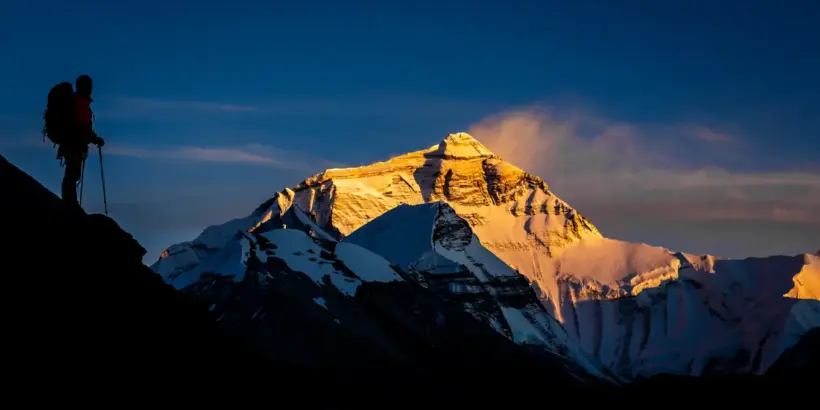
Standing at the top of the world is a dream for many, but Mount Everest facts reveal a reality far more complex, dangerous, and fascinating than just a snowy peak on a map. While adventurers chase the summit, most people observing from sea level miss the rich tapestry of geology, culture, and atmospheric science that makes this mountain unique. Understanding these elements matters right now because the giant is changing rapidly due to climate shifts and human traffic, altering the legacy of the Himalayas for future generations. By diving into this guide, readers will gain a comprehensive understanding of the Earth’s highest point, moving beyond trivia into deep, practical knowledge.
Mount Everest: Quick Facts at a Glance
| Feature | Key Data |
| Official Elevation | 29,031.7 ft (8,848.86 m) |
| Local Names | Sagarmatha (Nepal), Chomolungma (Tibet) |
| Location | Mahalangur Himal, Nepal-China Border |
| Coordinates | 27°59′17″ N, 86°55′31″ E |
| First Confirmed Ascent | May 29, 1953 (Sir Edmund Hillary & Tenzing Norgay) |
| The “Death Zone” | Begins at 26,247 ft (8,000 m) |
| Average Expedition Cost | $45,000 – $65,000 (Standard) | $100,000+ (Premium) |
| Success Rate | Approximately 60% in recent climbing seasons |
Introduction to Mount Everest
The massive structure commands respect not just for vertical height but for the sheer logistical and physical challenge it presents to humanity. It sits as the crown jewel of the Himalayas, acting as a border, a deity, and a graveyard. To truly grasp the magnitude of this peak, one must look at where it stands and what it represents to the people living in its shadow.
Geographical Location and Significance
The formation is located in the Mahalangur Himal sub-range of the Himalayas. The international border between Nepal and China (specifically the Tibet Autonomous Region) runs directly across the summit point.
Exact Coordinates and Elevation
Geographically, the apex is situated at approximately 27°59′ N latitude and 86°55′ E longitude. The official elevation was updated recently. For decades, 29,029 feet (8,848 meters) was the standard, but new surveys have adjusted this figure. When researching Mount Everest facts and history, accurate data is crucial. The latest measurements established by Nepal and China confirm the height at 29,031.7 feet (8,848.86 meters).
The Himalayan range continues to rise at an average rate of 4 to 10 millimeters per year, driven by the ongoing collision of the Indian and Eurasian plates, though this growth is periodically offset by seismic subsidence and erosion.
The Death Zone
Above 26,000 feet (8,000 meters) lies the “Death Zone.” In this zone, atmospheric pressure drops to approximately 337 mbar, meaning there is only about 33% of the oxygen available at sea level. Without supplemental oxygen, the human body cannot survive more than 16 to 24 hours as vital organs begin to shut down due to acute hypoxia.
This geographical feature dictates every decision a climber makes. Teachers compiling Mount Everest facts for students often emphasize this area to explain human physiology limits.
Discovery and Naming of Mount Everest
Before it was Everest, it was Peak XV. The Great Trigonometrical Survey of India, which began in the early 19th century, was responsible for identifying the location.
The Great Trigonometrical Survey
In the 1850s, British surveyors employed by the Survey of India calculated the height of Peak XV. They realized it was likely the highest in the world. Andrew Waugh, the British Surveyor General of India, proposed naming the peak after his predecessor, Sir George Everest. Sir George actually objected, arguing that native names should be used, but the moniker stuck.
Controversies in Naming
While “Everest” is recognized globally, the local titles existed long before the British arrived. Those exploring the peak’s complex heritage will note that the imposition of a British name is viewed by some as a colonial oversight. However, modern maps now frequently include the indigenous labels alongside the Western one.
Cultural Importance in Nepal and Tibet
To the Sherpa people of Nepal and the Tibetans to the north, the rock is sacred. It is not merely ice and stone; it is the abode of deities.
Sagarmatha and Chomolungma
In Nepal, the mountain is known as Sagarmatha, meaning “Goddess of the Sky.” In Tibet, it is Chomolungma, or “Goddess Mother of the World.” These names reflect a reverence that goes beyond mountaineering. Any comprehensive guide to the peak must acknowledge these sacred spiritual titles.
Spiritual Practices
Climbers must participate in a Puja ceremony before setting foot on the slopes. This Buddhist ritual asks the deity for safe passage and forgiveness for damaging the surface.
The mountain is not a stadium for human ego, but a sacred entity that demands humility; ignoring local spiritual customs is widely considered the first mistake of a failed expedition.
Historical Mount Everest Facts
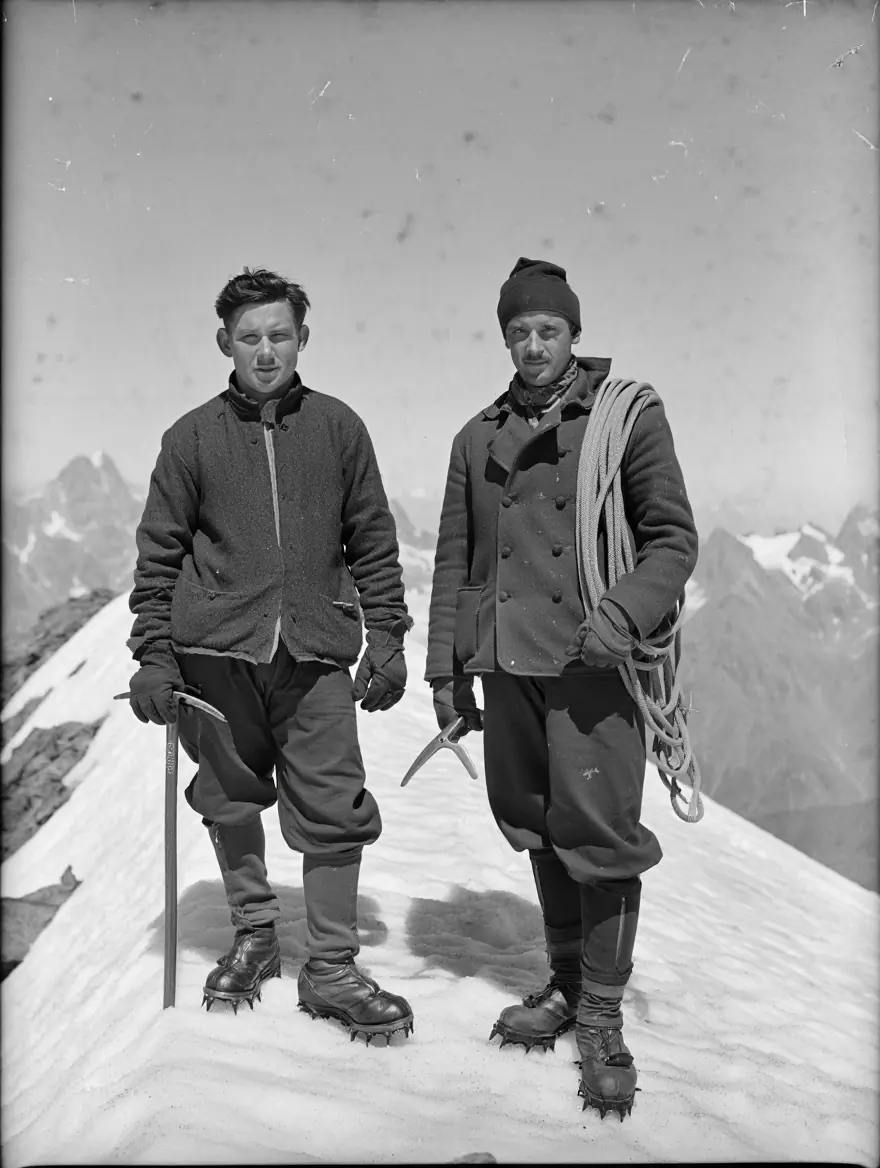
The timeline of the peak is paved with triumph and tragedy. From the early reconnaissance missions to the commercial era, the legacy of the mountain reflects the evolution of human ambition.
First Successful Ascents
The race to the top was the “Third Pole” challenge, akin to reaching the North or South Pole. After numerous failed attempts by Swiss and British teams, success finally came in the mid-20th century.
Hillary and Norgay
On May 29, 1953, Edmund Hillary, a beekeeper from New Zealand, and Tenzing Norgay, a Sherpa mountaineer, became the first confirmed humans to stand on the summit. They stayed for only about 15 minutes. Tenzing buried sweets in the snow as an offering, and Hillary placed a cross. Historians regard this 1953 achievement as a pivotal shift in adventure tourism.
The Mallory Mystery
Decades prior, in 1924, George Mallory and Andrew Irvine disappeared near the summit. Mallory’s body was found in 1999, but it remains unknown if they reached the top before dying. This enduring enigma continues to spark debate among high-altitude researchers.
The 1953 summit wasn’t a highlight reel—it was a methodical expedition with heavy gear, primitive oxygen systems, and brutal conditions. Archival news footage helps you see what “state of the art” looked like in that era and why the achievement landed like a global shockwave. Watch: “Edmund Hillary and Tenzing Norgay climb Everest – 1953 (archive newsreel)”.
Notable Expeditions and Records
Since 1953, climbers have pushed the envelope, setting records that defy biological logic.
Messner and Habeler
In 1978, Reinhold Messner and Peter Habeler did the unthinkable: they climbed Everest without supplemental oxygen. Doctors had previously claimed this was impossible and would result in brain damage. Messner later returned to do the first solo ascent.
The 1996 Disaster
The 1996 season, made famous by Jon Krakauer’s book Into Thin Air, highlighted the dangers of commercial guiding. A massive storm trapped climbers high on the mountain, resulting in eight deaths in a single day. his disaster remains a somber case study in the risks of commercial mountaineering.
A standout modern climb is Team Everest ’03 (2003), preserved in an expedition record and operational log that details the route, team, and summit date.
Mount Everest in Popular Culture
The mountain has permeated global media, becoming a metaphor for the ultimate obstacle.
Movies and Literature
From blockbuster films like Everest (2015) to documentaries like Sherpa, the peak is a constant source of drama. Books regarding Mount Everest facts and history consistently top bestseller lists because they combine adventure with the human condition.
Misconceptions in Media
Movies often dramatize the “gap jump” over crevasses. In reality, aluminum ladders are lashed together to cross the Khumbu Icefall. Media often ignores the crucial role of the “Icefall Doctors,” the Sherpas who maintain the route.
The Alteration of the Hillary Step
For decades, the “Hillary Step”—a 40-foot vertical rock wall just below the summit—was the most feared technical obstacle on the South Col route. However, following the 7.8 magnitude earthquake in 2015, the step was significantly altered. The massive boulders shifted and collapsed, transforming the technical rock chimney into a more manageable snow slope. While physically easier to climb, this change has ironically increased the danger of “summit traffic jams,” as the bottleneck now allows more climbers to move simultaneously, leading to lethal delays.
20 Interesting Facts About Mount Everest
When people search for 20 Interesting Facts About Mount Everest, they often look for the bizarre and the scientific. The mountain is a geological anomaly and a weather-maker in its own right.
Unique Geological Features
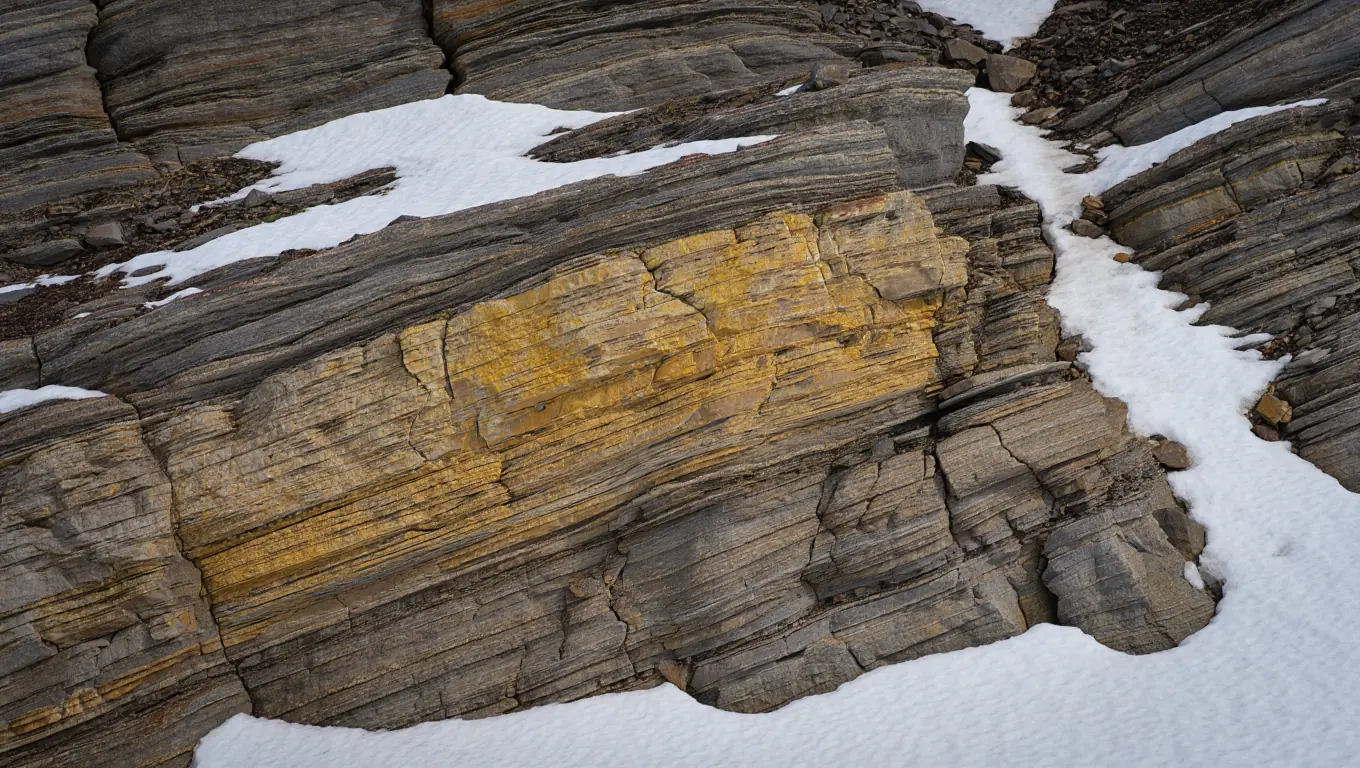
The rocks at the summit are actually marine limestone. Millions of years ago, the highest point was on the ocean floor.
The Yellow Band
A distinctive feature visible from a distance is the “Yellow Band,” a sedimentary rock layer comprised of marble and phyllite. It cuts across the mountain near the top. Earth scientists point to this distinct limestone layer as definitive evidence of tectonic movement.
Is It the Tallest?
Technically, Mauna Kea in Hawaii is taller if measured from its base on the ocean floor. Chimborazo in Ecuador is the farthest point from the Earth’s center due to the planet’s equatorial bulge. However, Everest retains the title for highest altitude above sea level. This distinction is important when listing 20 Interesting Facts About Mount Everest.
Climatic Conditions and Weather Patterns
The weather on the peak is not just cold; it is hostile. The temperature at the summit never rises above freezing.
The Jet Stream
For most of the year, the summit sits directly in the jet stream, with gales buffeting the peak at over 100 mph. Climbers wait for “summit windows” in May when the winds die down. When wind speeds exceed 50 mph (80 km/h)—a common occurrence outside the May window—the wind chill factor can plummet to -80°F (-62°C), causing exposed skin to freeze in under 30 seconds.
Sudden Storms
Atmospheric conditions can change in minutes. Clear blue skies can turn into a whiteout blizzard rapidly, trapping climbers. Such volatility is a key component of 20 Interesting Facts About Mount Everest.
Impact of Climate Change on Everest
Global warming is visibly altering the landscape.
Melting Glaciers
The Khumbu Glacier is receding. Base Camp may need to be moved to lower ground in the coming years because the ice it sits on is melting. This ecological transformation is fundamentally reshaping the region’s geography.
Emerging Artifacts
As the snow melts, bodies of deceased climbers and trash from decades ago are emerging. This grim reality is a staple when discussing 20 Interesting Facts About Mount Everest in a modern context. Some archives of 20 Interesting Facts About Mount Everest now focus entirely on these environmental changes. Also, lists of 20 Interesting Facts About Mount Everest frequently highlight the disappearing ice.
| Feature | Early Expeditions (1920s-1950s) | Modern Expeditions (2000s-Present) |
| Clothing | Wool, gabardine, layers of silk | High-tech synthetic down, Gore-Tex suits |
| Oxygen | Heavy, unreliable cylinders | Lightweight composite bottles, efficient masks |
| Route Prep | Teams broke their own trail | Sherpas fix ropes to the summit beforehand |
| Communication | Runners carrying letters | Satellite phones, 5G at Base Camp |
| Navigation | Compass and paper maps | GPS and high-resolution weather forecasting |
This comparison highlights how technology has shifted the odds, yet the mountain remains as deadly as ever.
Choosing the Path: South Col vs. North Ridge
There are two primary commercial routes to the summit, each presenting a different set of risks and logistical challenges.
| Feature | South Col (Nepal Side) | North Ridge (Tibet Side) |
| Primary Hazard | The Khumbu Icefall (avalanches and shifting ice). | Extreme wind exposure and colder temperatures. |
| Technicality | Higher technical rock/ice sections (though Hillary Step is now easier). | Steep, exposed ridges and the “Three Steps” rock obstacles. |
| Logistics | Easier access via Lukla; more rescue helicopters available. | Harder logistics; no helicopter rescues allowed above Base Camp. |
| Crowds | Generally more crowded due to its popularity. | Historically less crowded, though permits are harder to obtain. |
30 Interesting Facts About Mount Everest
Expanding the scope, a collection of 30 Interesting Facts About Mount Everest uncovers the biological and ecological aspects of the region.
Wildlife and Ecosystem
Life finds a way, even at extreme altitudes.
Himalayan Jumping Spiders
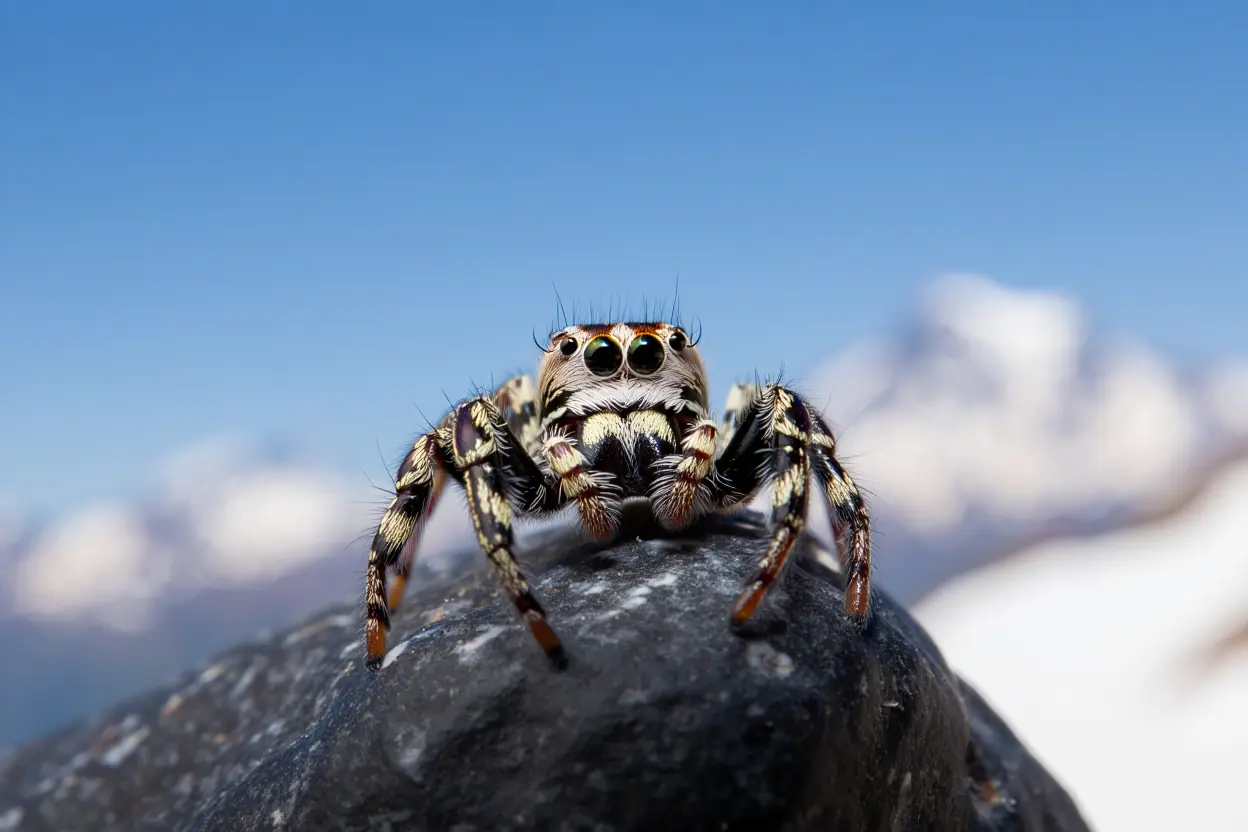
One of the highest permanent residents is the Himalayan jumping spider (Euophrys omnisuperstes), found at elevations up to 22,000 feet. They feed on stray insects blown up by the wind. Natural history courses often highlight this tiny arachnid’s extreme resilience.
The Bar-headed Goose
These birds have been spotted flying over the summit during migration. Their ability to fly in such thin air fascinates physiologists. This avian feat is a popular entry in 30 Interesting Facts About Mount Everest.
The Genetic Advantage of Sherpas
While most climbers suffer from thickened blood due to excess red blood cell production at altitude, the Sherpa people possess a specific variant of the EPAS1 gene, often called the “super-athlete gene.” This genetic adaptation allows their bodies to use oxygen more efficiently at a cellular level without increasing blood viscosity. This reduces the risk of strokes and pulmonary edema (HAPE), explaining why they can perform heavy labor in the Death Zone while others struggle to breathe.
Human Impact and Conservation Efforts
The mountain has earned the nickname “The World’s Highest Junkyard.”
The Waste Problem
Discarded oxygen bottles, tents, and human waste litter the camps. The Nepalese government now requires climbers to bring back their trash or forfeit a deposit. Conservationists compiling 30 Interesting Facts About Mount Everest prioritize this issue.
According to the study “Mt. Everest’s highest glacier is a sentinel for accelerating ice loss” (2022, University of Maine), the South Col Glacier ice-core record indicates that roughly ~2,000 years of ice accumulation have been lost in about the last ~30 years—evidence of exceptionally rapid high-elevation ice loss under modern warming conditions.
Everest’s Role in Scientific Research
The mountain serves as a high-altitude laboratory.
Medical Studies
Research on climbers helps doctors understand hypoxia (low oxygen) and its effects on critical care patients in hospitals. These critical physiological insights are frequently overlooked in standard climbing lore.
Geology Labs
Samples from the mountain help scientists model plate tectonics and the history of the Indian subcontinent’s collision with Asia. Including this scientific angle enriches any list of 30 Interesting Facts About Mount Everest. Furthermore, creating a database of 30 Interesting Facts About Mount Everest allows researchers to track historical weather data. Even simple lists of 30 Interesting Facts About Mount Everest can inspire future geologists. Many articles titled 30 Interesting Facts About Mount Everest fail to mention the marine fossils found at the top. Finally, a true set of 30 Interesting Facts About Mount Everest always respects the local Sherpa knowledge.
True conservation is not just about picking up trash; it is about ensuring that the economic benefits of tourism do not destroy the very ecosystem that sustains the local communities.
Mount Everest Facts for Students
For younger readers and academic projects, Mount Everest facts for students need to be accessible, engaging, and educational.
Educational Resources and Materials
There are specific, high-quality tools available online that bring the mountain into the classroom without costing a dime.
Interactive Maps and 3D Tools
Static maps are outdated. Teachers looking for engaging Mount Everest facts for students should utilize Google Earth Voyager. This platform features a curated “Trek to Everest Base Camp” story, allowing users to virtually walk the trail and explore 360-degree panoramas of the Khumbu Glacier. Additionally, NASA’s Earth Observatory provides satellite imagery comparing the region’s ice cover from decades ago to today, offering a stark visual lesson on climate change.
Documentaries and Visual Media
For a cinematic experience, the 1998 IMAX film Everest (often available on YouTube or Prime Video) remains the gold standard for science classes, as it clearly visualizes the “Death Zone” and geological risks. For social studies, the documentary Sherpa (2015) offers a crucial perspective on the local workforce, shifting the focus from Western climbers to the indigenous experts. A syllabus containing Mount Everest facts for students should include these visual stories to balance the narrative.
Curated Lesson Plans
National Geographic Education offers a free “Mount Everest” resource library. It includes ready-made lesson plans on mapping the Himalayas and understanding the physics of altitude. These materials are vetted by educators and provide reliable Mount Everest facts for students that go beyond simple trivia.
Interactive Learning Activities
Teachers can simulate the planning required for an expedition.
Project: Planning a Mock Expedition
Here is how the class can plan a theoretical climb:
- Budgeting: Calculate the cost of permits ($11,000 per person), gear, flights, and Sherpa support. The total often exceeds $60,000.
- Route Selection: Choose between the South Col route (Nepal) or the North Ridge route (Tibet). Research the pros and cons of each.
- Menu Planning: Plan meals for high altitude. Taste buds change at height, and the body burns over 6,000 calories a day.
- Risk Assessment: Identify three major hazards (e.g., avalanches, altitude sickness, storms) and create a mitigation strategy for each.
- Pack Weight: Weigh school backpacks to simulate the 20-30 lb loads climbers carry between camps.
This project makes complex logistics tangible, transforming abstract data into engaging, practical problems.
Famous Quotes and Stories
Stories of endurance resonate with the youth.
“Well, we knocked the bastard off.” — Sir Edmund Hillary, New Zealand mountaineer; leader of the first confirmed Everest summit team (1953); later knighted (Sir).
This quote is a staple in presentations involving Mount Everest facts for students.
Beck Weathers
The story of Beck Weathers, who was left for dead twice in 1996 but survived, teaches resilience. Such narratives are essential when presenting Mount Everest facts for students. Instructional leaders use such narratives to build student engagement with the human side of exploration. Finding accurate Mount Everest facts for students helps dispel myths about the climb. Ultimately, Mount Everest facts for students should inspire curiosity about the natural world. Many resources providing Mount Everest facts for students also cover the culture of Nepal.
Mount Everest Facts and History: A Deeper Dive
For the enthusiast, scratching the surface isn’t enough. Mount Everest facts and history reveal the intricate technological and physical evolution of mountaineering.
Evolution of Climbing Technology
The gear used today would look alien to Mallory or Hillary.
From Wool to Down
Early climbers wore layers of wool and tweed. Today, 800-fill down suits protect against frostbite. Those researching Mount Everest facts and history will find that clothing technology has saved more lives than perhaps any other innovation.
Oxygen Systems
The “Open-circuit” vs. “Closed-circuit” debate was huge. While elite athletes may attempt a ‘no-O2’ ascent, 97% of successful summits rely on supplemental oxygen systems typically set to a flow rate of 2 to 4 liters per minute during the final summit push to maintain cognitive function. Technical archives of Mount Everest facts and history detail these schematics.
The “Yo-Yo” Acclimatization Strategy
Reaching the summit isn’t a straight climb; it’s a series of “rotations.” Climbers follow a “climb high, sleep low” philosophy to prime their biology. A typical cycle involves climbing from Base Camp to Camp 1 or 2, staying for a few nights, and then descending back to Base Camp to recover in thicker air. This “yo-yo” movement triggers the production of more hemoglobin and capillaries, which is the only way a human can survive the final push to 29,032 feet.
Challenges Faced by Climbers
The mountain throws everything it has at intruders.
The Khumbu Icefall
This is a moving river of ice. Climbers must cross deep crevasses on aluminum ladders. It is considered one of the most dangerous sections of the route.
Acute Mountain Sickness (AMS)
HAPE (High Altitude Pulmonary Edema) and HACE (High Altitude Cerebral Edema) are fluid build-ups in the lungs and brain. They are fatal if the climber does not descend immediately. Deep dives into Mount Everest facts and history frequently analyze medical reports of these conditions.
Future Prospects for Mountaineering
The future of Everest is commercial and crowded.
Overcrowding
Photos of “traffic jams” on the Hillary Step went viral in 2019. Too many climbers creates delays, which leads to frostbite and oxygen depletion. Examining Mount Everest facts and history helps predict future trends.
Regulation Changes
Nepal is considering stricter rules, such as requiring climbers to have scaled a 6,500m peak before attempting Everest. Expedition experts suggest these stricter requirements are vital for maintaining safety. Anyone following Mount Everest facts and history knows that regulation is often slow to follow commercial expansion. Serious climbers respect Mount Everest facts and history as a guide for survival. Documenting Mount Everest facts and history preserves the legacy of those who perished.
Engaging with Mount Everest Today
You don’t have to be a climber to experience the mountain. There are safer ways to engage.
Virtual Tours and Documentaries
Technology allows for armchair mountaineering.
VR Experiences
Several VR apps allow users to stand at Base Camp or the summit. This is a safe way to explore Mount Everest facts for students without leaving the classroom.
360-Degree Video
National Geographic and other organizations have released 360-degree interactive maps of the valley.
Guided Tours and Trekking Options
The trek to Base Camp (EBC) is a bucket-list item for thousands.
The EBC Trek
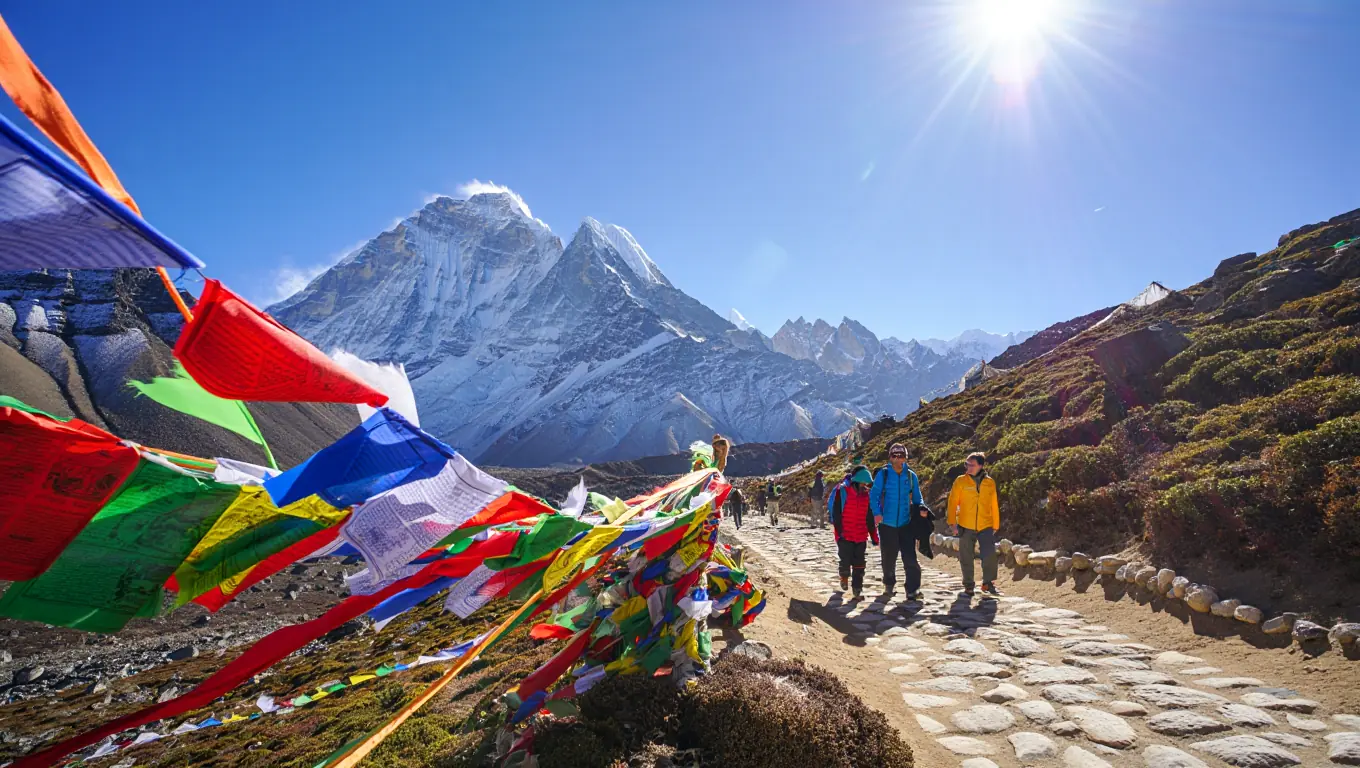
You fly into Lukla (the world’s most dangerous airport) and hike for roughly 12 days. You don’t need technical climbing skills, just fitness.
Helicopter Tours
For those short on time, helicopter tours from Kathmandu offer breakfast at the Everest View Hotel.
How to Support Conservation Efforts
If you love the mountains, help protect them.
Organizations
Support groups like the Sagarmatha Pollution Control Committee (SPCC).
Responsible Tourism
If you visit, hire local porters and stay in tea houses that use sustainable fuel, not wood.
Preparation is the only variable you can control; ignoring the physical demands of even a Base Camp trek is a recipe for evacuation.
Essential Checklist for Everest Enthusiasts
If you are planning a trek or just a deep study session, ensure you cover these bases:
- Physical Conditioning: Start cardio training months in advance (stairs, hiking with weight).
- Insurance: Verify your travel insurance covers helicopter evacuation above 5,000 meters (many policies do not).
- Gear Check: Break in your hiking boots. Blisters can end a trip on day one.
- Water Purification: Bring tablets or a UV filter; plastic bottles are banned in many areas to reduce waste.
- Acclimatization: Plan rest days (“climb high, sleep low”) to let your body adjust to the lack of oxygen.
- Local Etiquette: Learn basic Nepali phrases like “Namaste” and walk to the left of Mani stones (prayer stones).
The Sherpa Gene: Science of the Super-Athlete
While many view Everest as a playground for Western ambition, the true masters of the mountain are the indigenous Sherpa people. For decades, scientists wondered how Sherpas could carry heavy loads in the “Death Zone” while elite Western athletes struggled to survive. The answer lies not just in training, but in their DNA.
The EPAS1 Adaptation
Most people’s bodies respond to high altitude by producing more red blood cells to carry more oxygen. However, this makes the blood thick and “sludgy,” increasing the risk of heart attacks and high-altitude pulmonary edema (HAPE). Sherpas have evolved a different mechanism. They possess a specific variant of the EPAS1 gene, often referred to as the “Super-Athlete Gene.”
Cellular Efficiency over Quantity
Instead of increasing blood viscosity, the EPAS1 variant allows Sherpas to use oxygen more efficiently at the cellular level. Their mitochondria (the powerhouses of the cell) are better at generating energy from less oxygen. Research suggests this genetic trait was inherited through interbreeding with the Denisovans, an extinct species of human, over 30,000 years ago. This evolutionary shortcut allows Sherpas to maintain high performance where others face total physical collapse.
Key Insight: A Sherpa’s body doesn’t just “try harder” at altitude; it operates on a different biological blueprint entirely, making them arguably the most physically specialized humans on the planet.
FAQ
How much does it cost to climb Mount Everest?
The cost varies wildly depending on the operator. A $35,000 budget typically applies to ‘base-camp only’ support or local logistics-only operators, whereas a $100,000+ premium expedition is standard for Western-guided 1:1 Sherpa-to-client ratios, including unlimited oxygen and private communications. This price includes the $11,000 permit fee paid to the Nepalese government, oxygen, food, Sherpa support, and logistics.
Can you see Mount Everest from space?
Yes, astronauts aboard the International Space Station can see the Himalayas clearly. While Everest blends into the range from that distance, its massive pyramid shadow is distinct, especially during sunrise and sunset. It is a favorite photography subject for crews in orbit.
What happens to the bodies on Mount Everest?
Due to the extreme cold and difficulty of transport, most bodies remain on the mountain. Recovering a deceased climber is incredibly dangerous and expensive, often putting the rescue team at risk. As a result, over 200 corpses act as tragic waypoints on the route, preserved by the ice.
How long does it take to climb Mount Everest?
A typical expedition takes about two months. This isn’t all climbing; most of the time is spent acclimatizing at Base Camp and Camps 1, 2, and 3. The body needs weeks to adjust to the altitude before the final push to the summit, which usually takes about 4 to 5 days round trip from the base.
Is climbing Mount Everest getting easier?
Physically, no; the altitude and weather remain lethal. However, logically, it has become “easier” due to better weather forecasting, more fixed ropes installed by Sherpas, and improved oxygen systems. This accessibility has led to more inexperienced climbers attempting the feat, which brings its own set of dangers.
Conclusion
Mount Everest remains one of the most compelling subjects on Earth, offering endless lessons in geology, history, and human resilience. From the shifting tectonic plates that push it higher to the climbers who test their limits on its slopes, the Mount Everest facts covered here paint a picture of a mountain that is beautiful, terrifying, and fragile. Whether you are interested in the Mount Everest facts and history of the early pioneers or looking for Mount Everest facts for students to inspire the next generation, the takeaway is the same: the mountain commands respect.
The next step for you is to move from passive reading to active learning. If you are serious about trekking to Base Camp or simply want to deepen your knowledge, start by watching the documentaries mentioned or using Google Earth to trace the route from Lukla to the summit. Understanding the geography visually will make the history you’ve learned here stick.
To help you organize your research or your potential trip, I have prepared a comprehensive downloadable checklist. This document breaks down the specific gear layers needed for different altitudes and includes a timeline for physical training. It transforms the abstract advice above into a daily schedule you can follow.

What is the one fact about Everest that surprised you the most, or do you think the commercialization of the mountain has gone too far? Drop a comment below to share your thoughts!
Sources
- Mt. Everest’s highest glacier is a sentinel for accelerating ice loss — Potocki et al., 2022, npj Climate and Atmospheric Science (University of Maine–led research)
- Mulvaney, K., 2022, Everest’s highest glacier has lost 2,000 years of ice in 30 years — National Geographic. National Geographic
- Hillary, E., 2008 (recounted), Quotes of the Day — TIME.com — TIME (primary-source quote presentation). Time